Dubai Architecture
Dubai started as a small fishing and pearl-diving village along the Arabian Gulf. People lived simple lives, depending on the sea for food and trade. Over time, Dubai became a busy trading spot because of its location, attracting merchants from nearby regions. In 1833, the Al Maktoum family took leadership, and they still rule Dubai today.
For many years, pearl diving was the main source of income, but this ended in the 1930s when pearls lost their value. Life became difficult until oil was discovered in the 1960s. This changed everything. The rulers used oil money to build roads, schools, hospitals, and ports, helping the city grow quickly.
In 1971, Dubai joined with other emirates to form the United Arab Emirates. Instead of relying only on oil, Dubai focused on tourism, business, and trade. Skyscrapers, shopping malls, and modern transport followed.
Today, Dubai is known worldwide for its luxury, innovation, and tall buildings, but behind all the glamour is a city that grew from humble beginnings and worked its way to success.
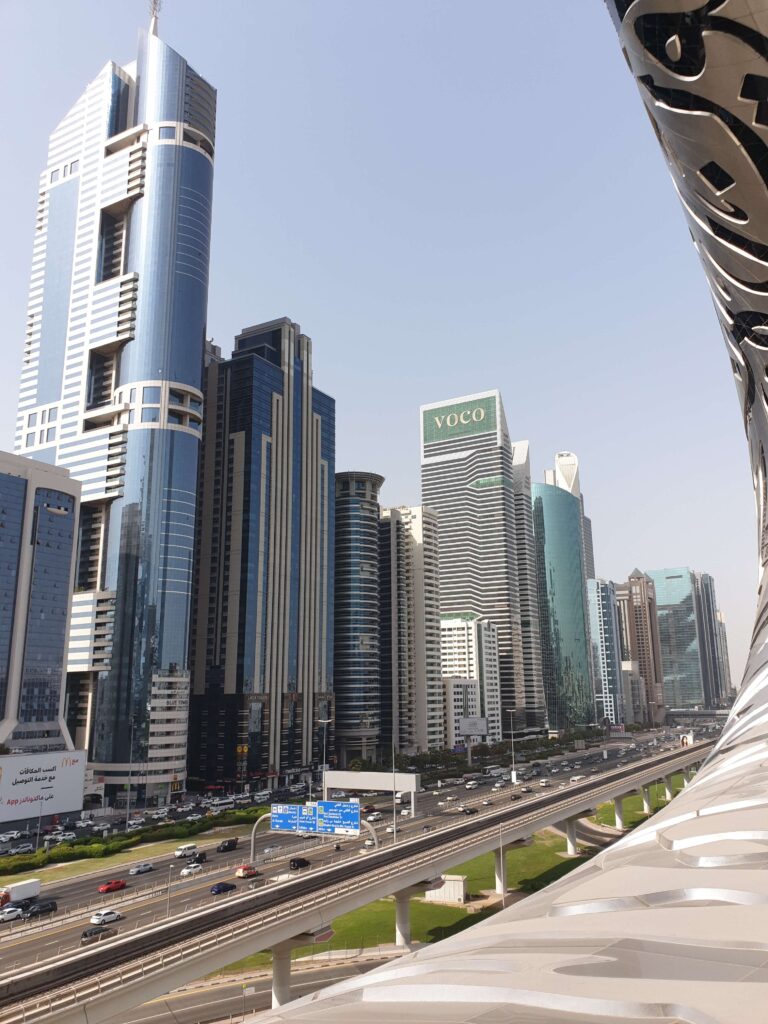
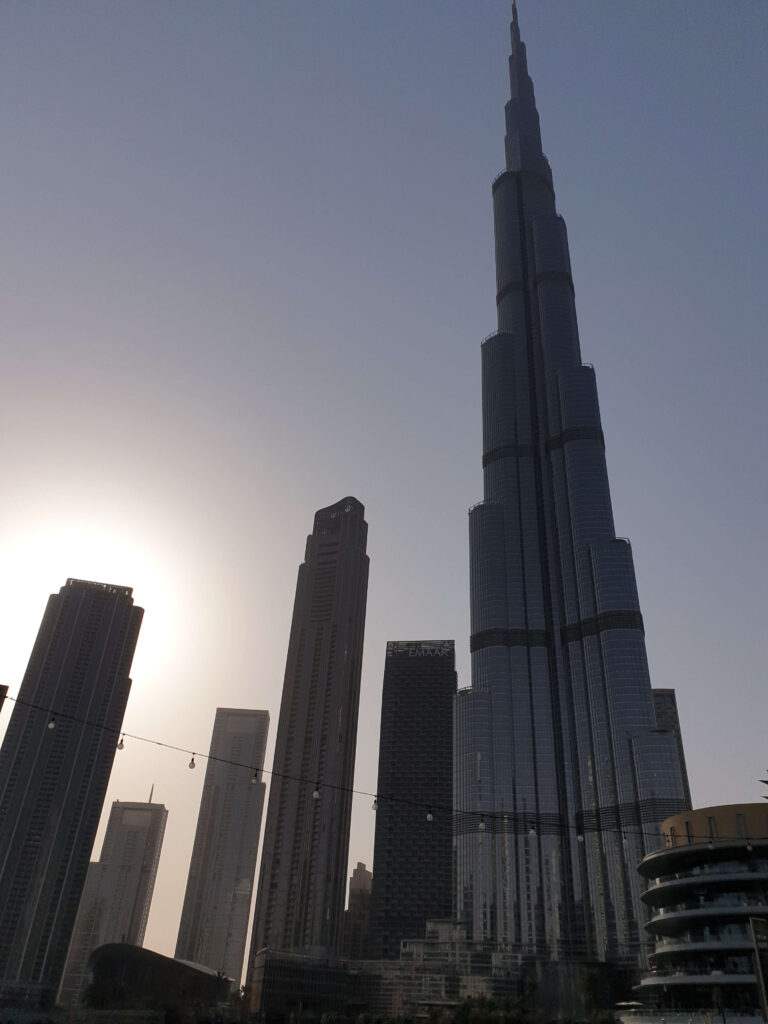
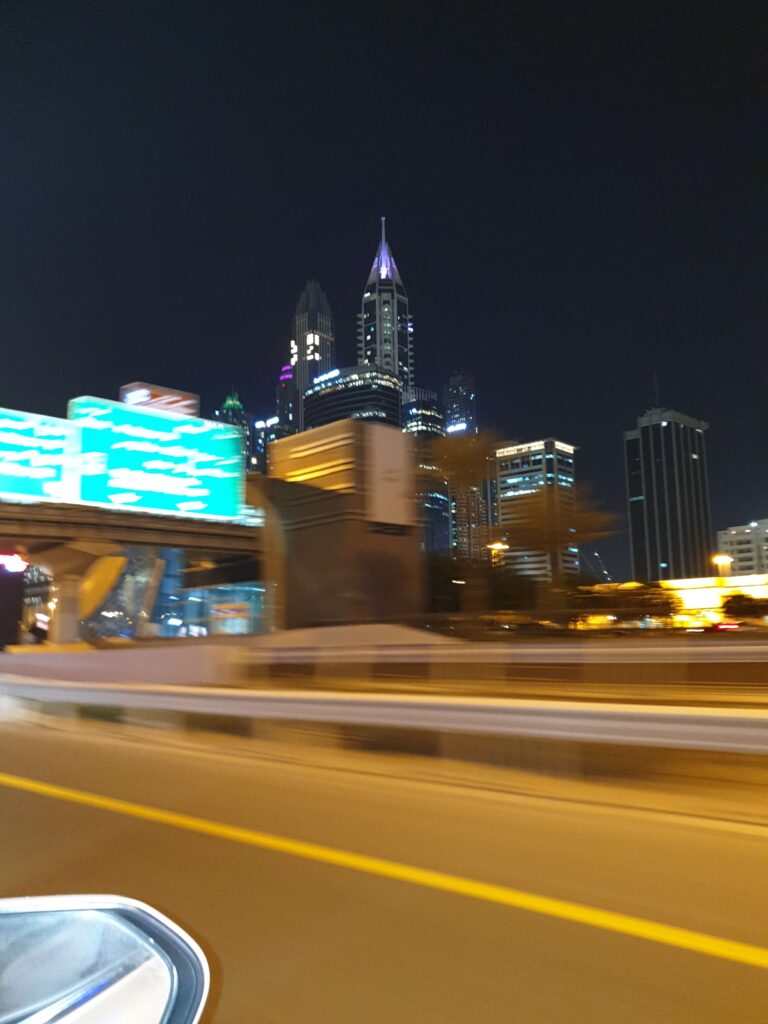
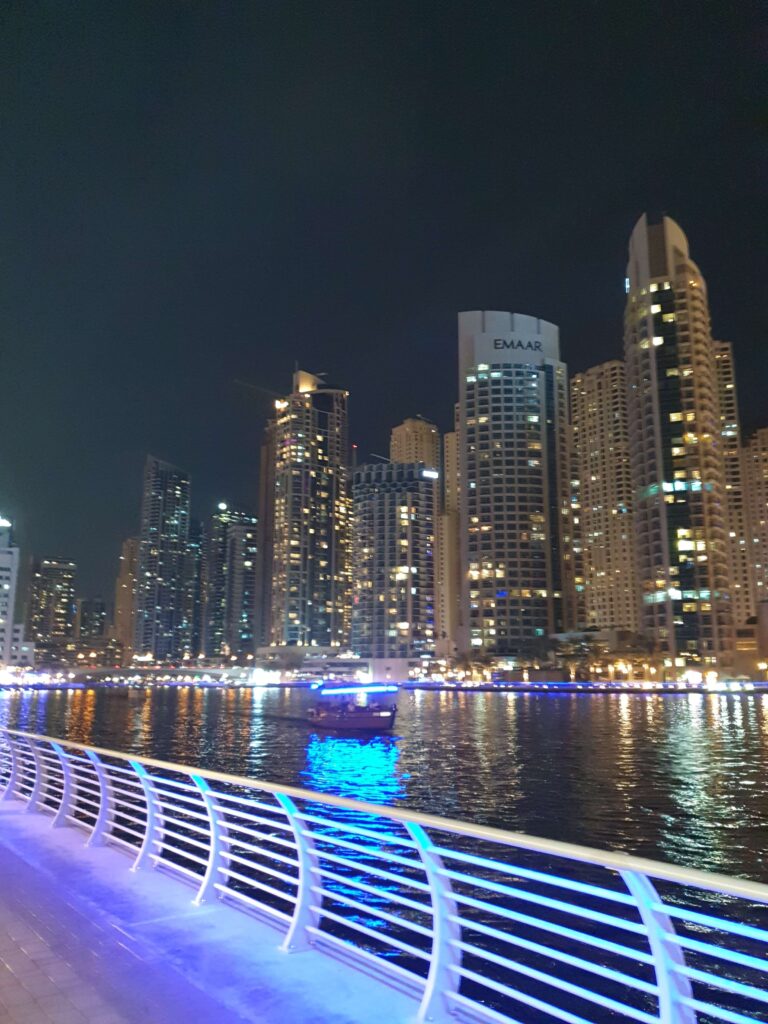
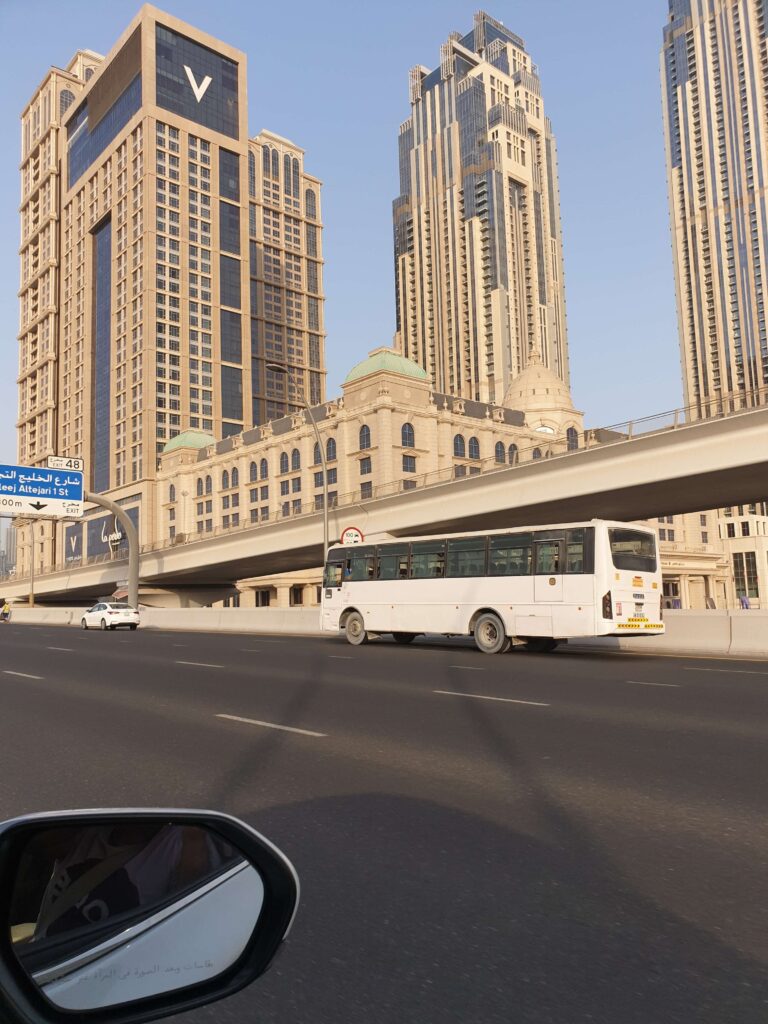
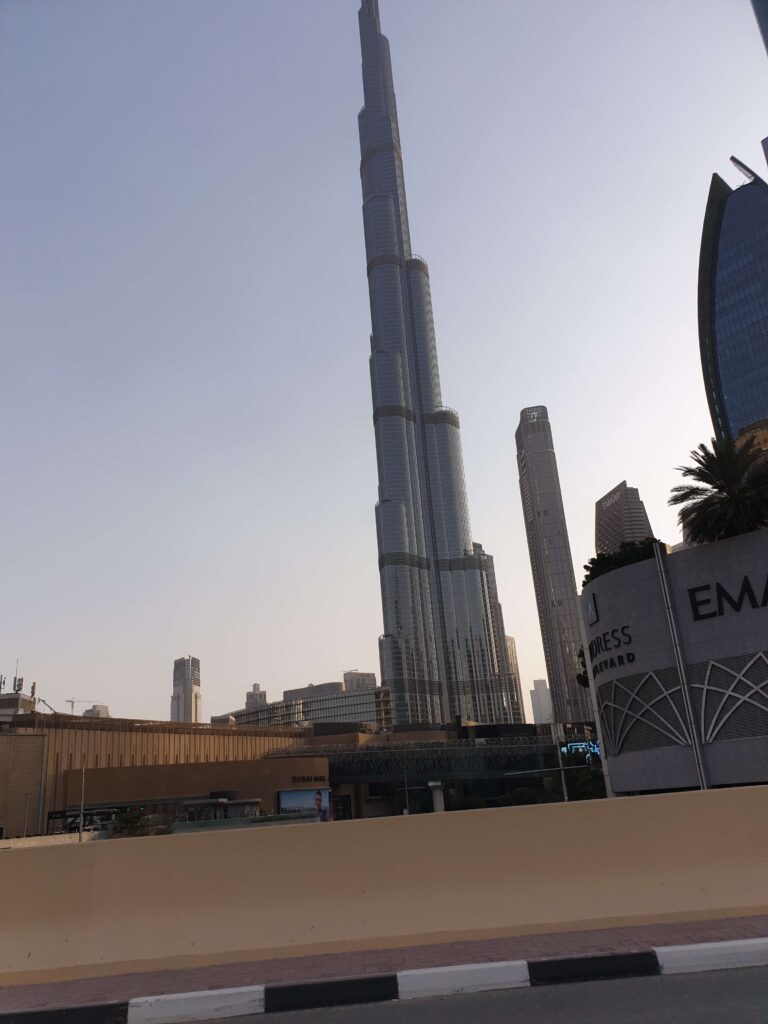
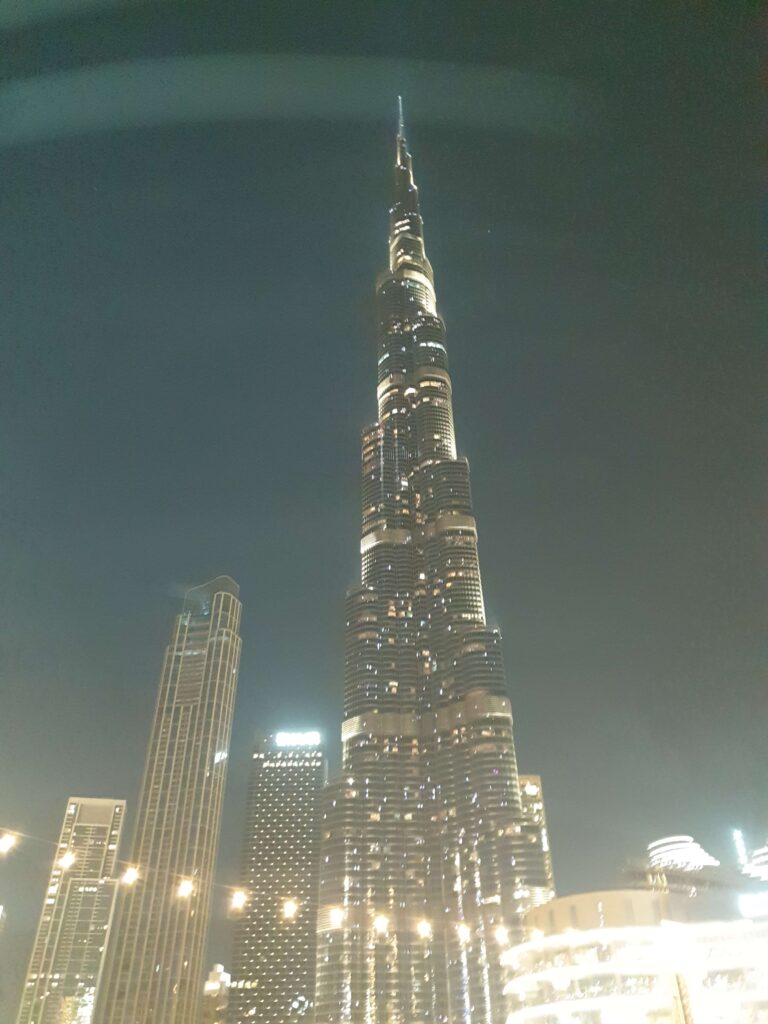
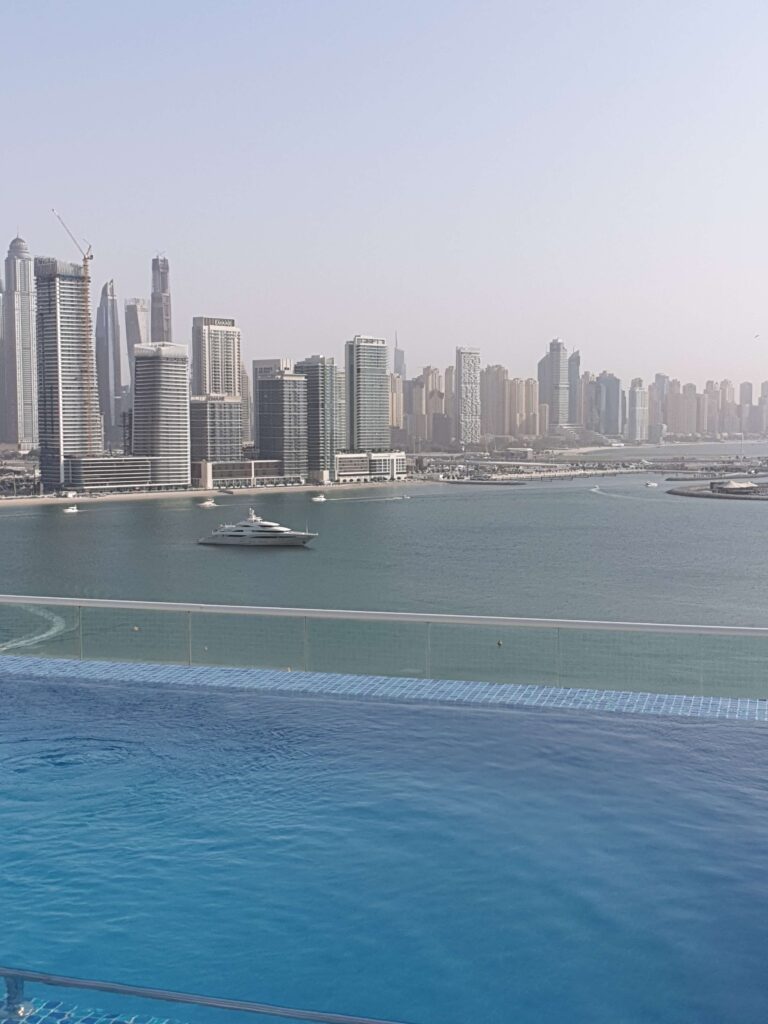
Dubai’s architecture is all about standing out. The city mixes old-style Arabic designs with super modern buildings. In older areas, you’ll see traditional houses with wind towers and small courtyards that helped people stay cool before air conditioning.
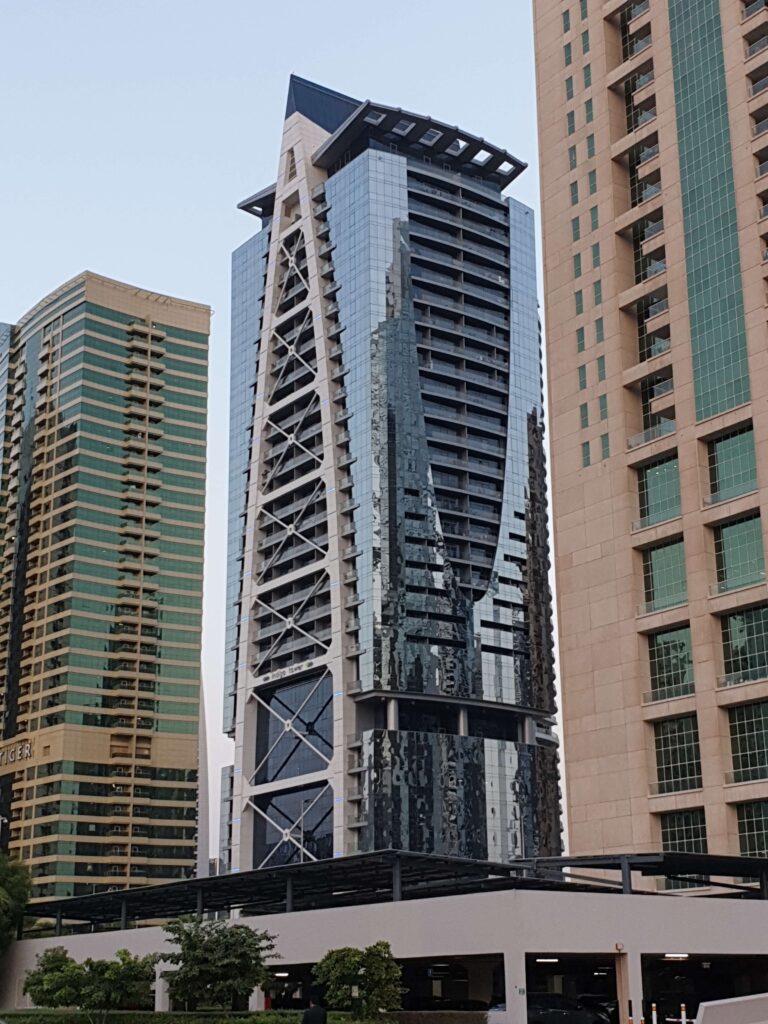
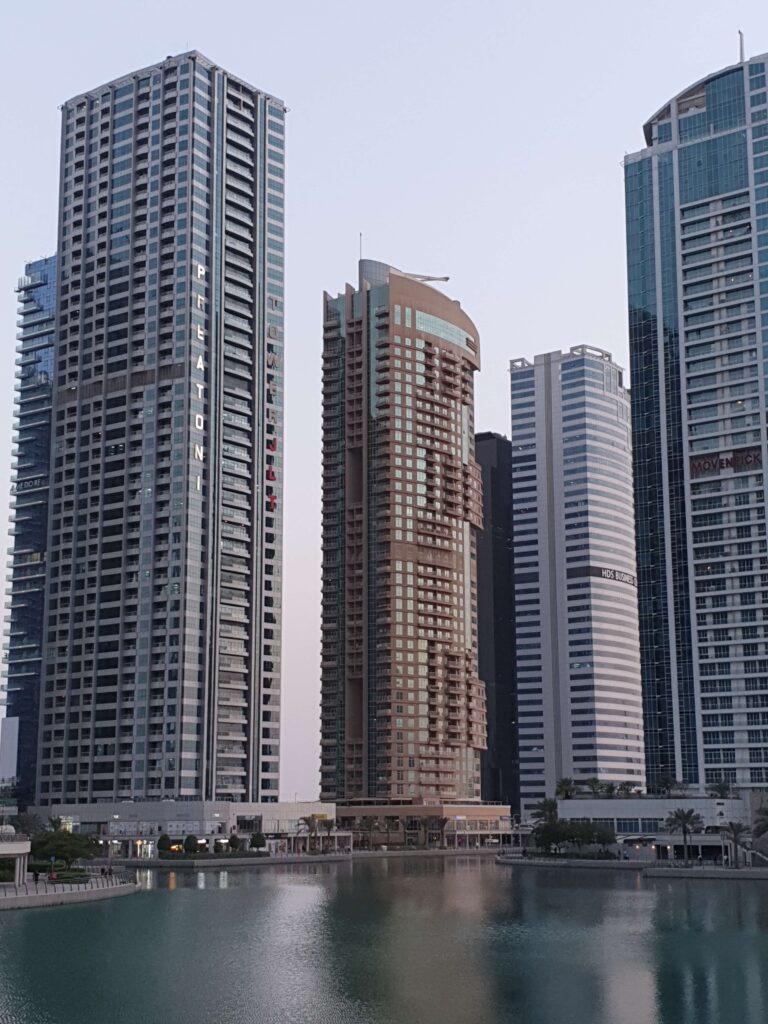
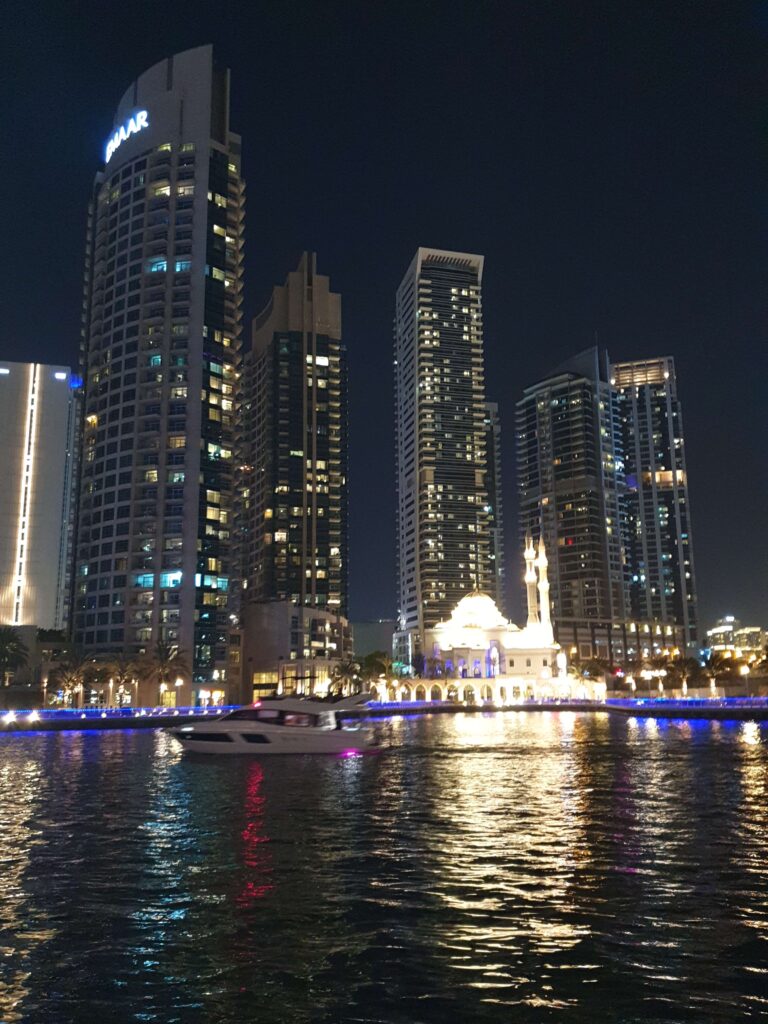
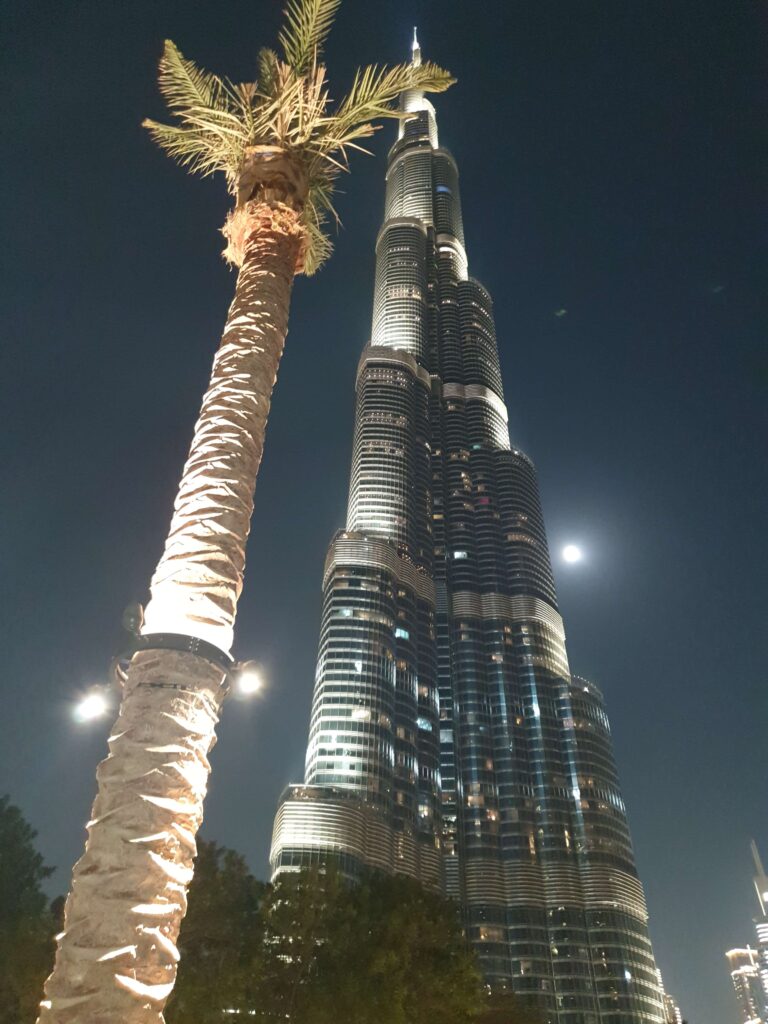
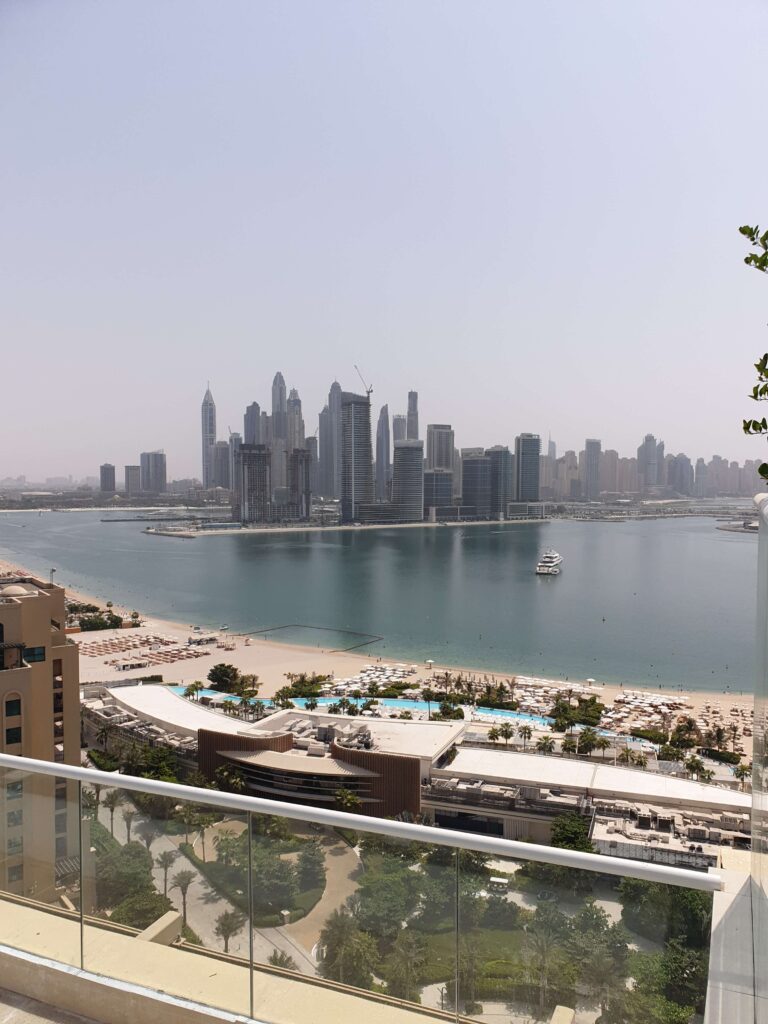
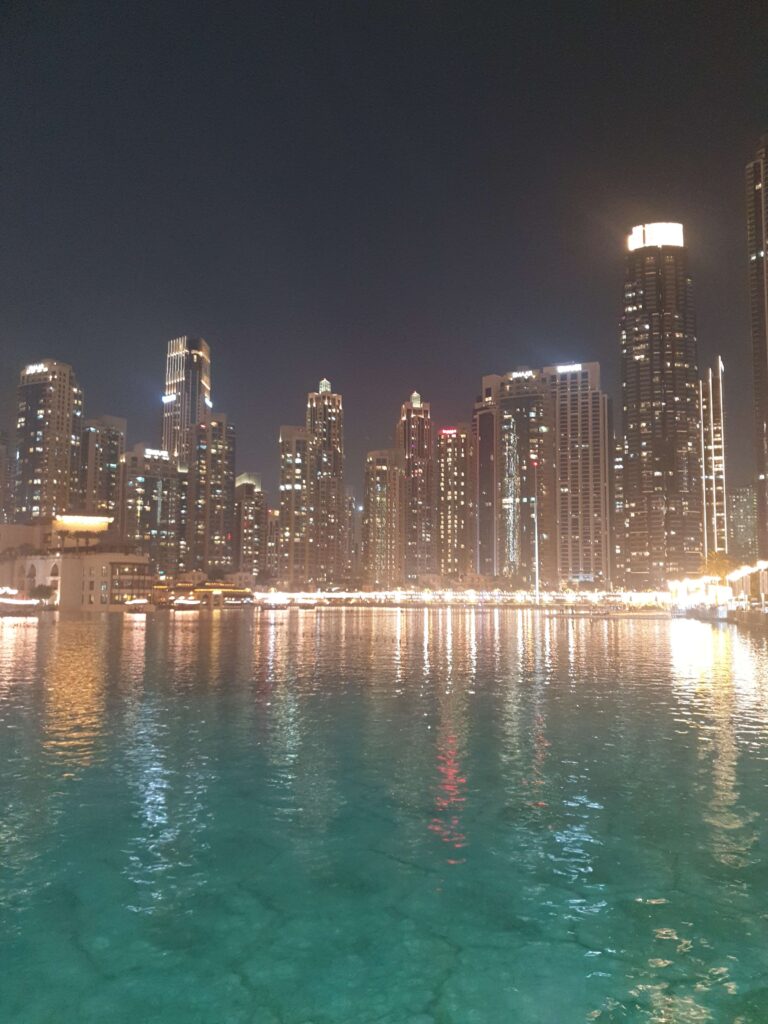
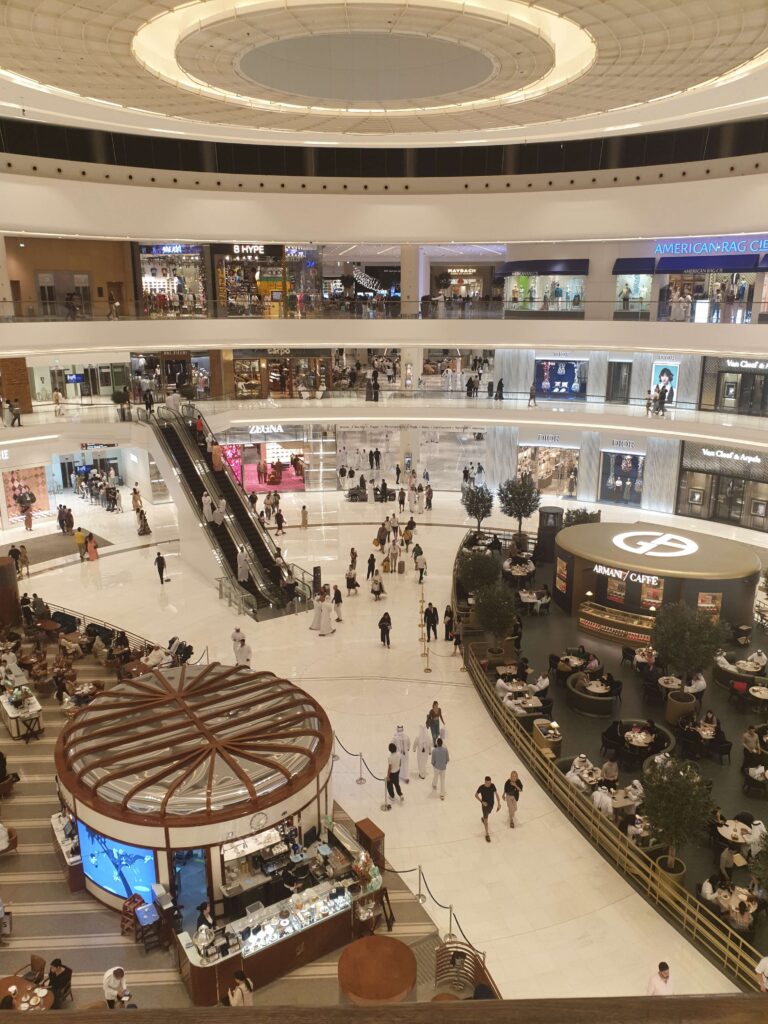
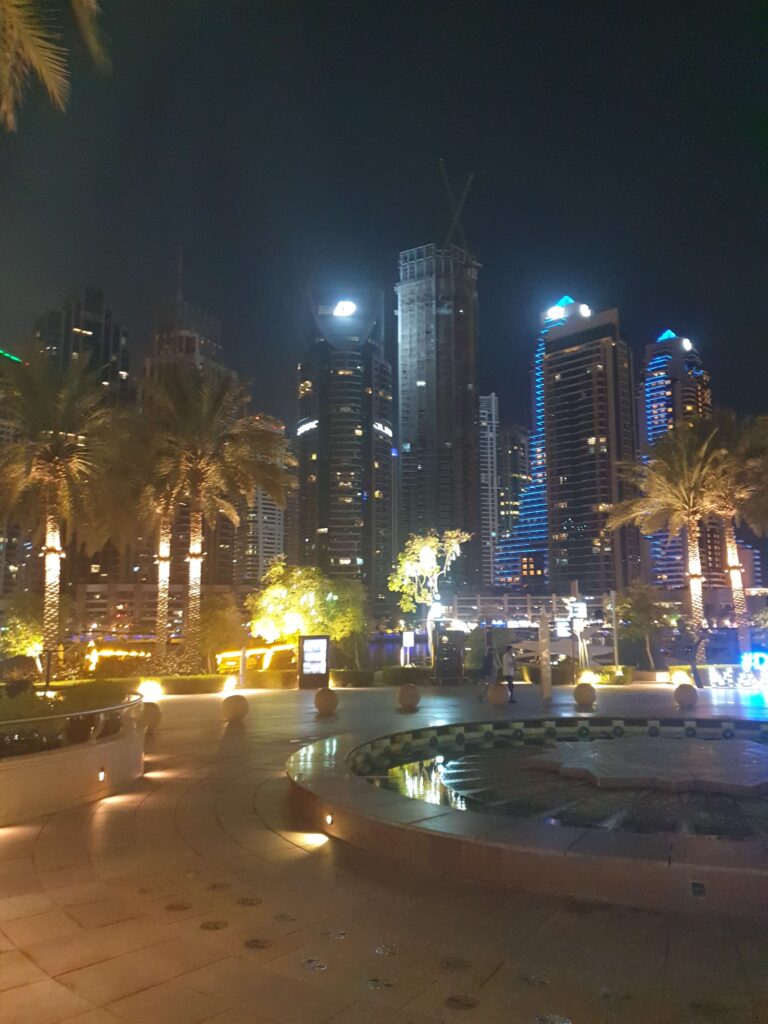
Modern Dubai is famous for its tall skyscrapers and bold designs. Buildings like the Burj Khalifa show how Dubai likes to think big and break records. There are luxury hotels, huge malls, and eye-catching towers made of glass and steel everywhere you look.
Even with all the modern designs, many buildings still use Islamic patterns, arches, and shapes to keep a connection to local culture. Recently, Dubai has also started focusing more on eco-friendly and smart buildings.
Overall, Dubai’s architecture reflects its personality—ambitious, creative, and always looking toward the future, while still respecting its roots.