How acupuncture might have saved my life

There was a period in my life when I didn’t feel good mentally and my sleep was very irregular. So I decided to take a chance and book an intake appointment with a Chinese practitioner in my area.

The acupuncturist asked me a few questions and, after checking my pulse, immediately noticed that my heart rate was quite high. Finally, I had an answer to what was going on with me. That alone made me feel better, and I decided to start treatment.

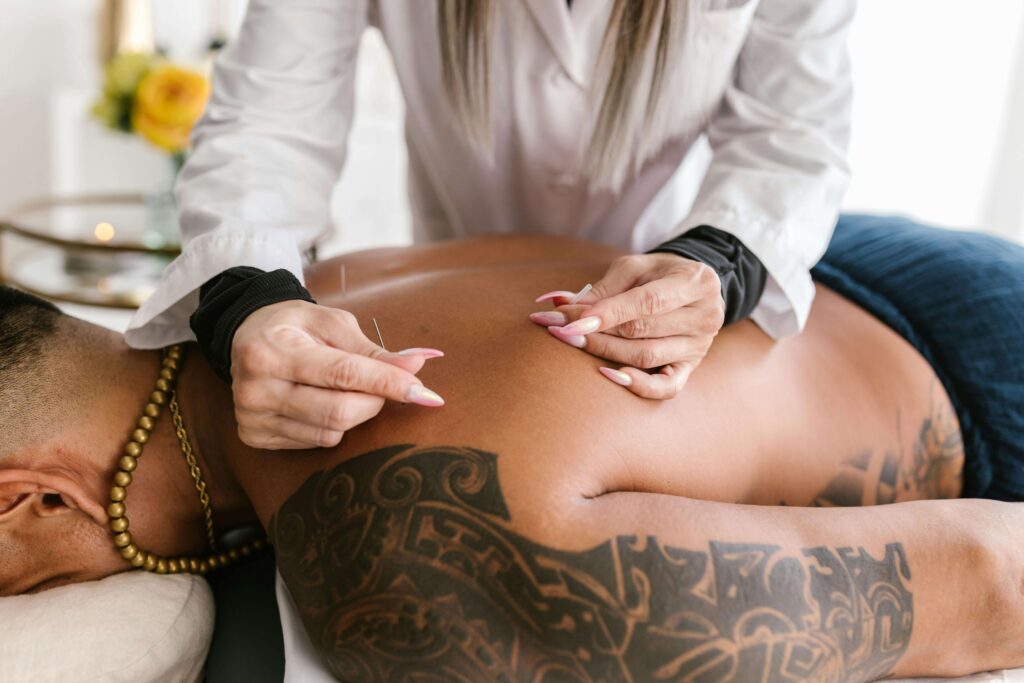
The first time she measured my heart rate, it was 120. These days, after treatments with needles and cupping on my back, it’s around 80. Apparently, certain parts of the body can build up energy. By placing needles on those energy points, that energy is released.
What is acupuncture?

Acupuncture is a treatment that comes from traditional Chinese medicine. It involves placing very thin needles into specific points on the body. The idea behind it is that the body has a natural flow of energy, called qi, which moves through pathways known as meridians. If this energy gets blocked or out of balance, it can lead to pain or other health problems. By inserting needles at certain points, an acupuncturist aims to restore balance and help the body heal itself.

From a modern medical point of view, acupuncture may work by stimulating nerves and muscles. This can improve blood flow and encourage the body to release natural painkillers, like endorphins.

People often use acupuncture for back pain, headaches, stress, sleep problems, or nausea. Some also try it for chronic pain or general well-being. When done by a trained professional using clean, sterile needles, acupuncture is generally safe and most people find it relaxing rather than painful.
Why is it useful to some people?

Acupuncture can be helpful for some people for a few simple reasons. First, a lot of people use it for pain relief. Whether it’s back pain, headaches, or sore muscles, some find that the needles help reduce discomfort. It may work by stimulating nerves and improving blood flow, which can encourage the body to release natural painkillers like endorphins.

It’s also known for helping people relax. Treatments usually happen in a quiet, calm setting, and many people feel more at ease afterward. This can be helpful if you’re dealing with stress, anxiety, or trouble sleeping.

Another reason it’s useful is the personal attention. Practitioners often take time to ask about your overall health and lifestyle, which can make you feel heard and supported.

Even if not everyone responds the same way, some people find that acupuncture complements regular medical care and helps them feel more balanced overall.

Western medicine vs. alternative medicine

Western medicine is what you usually think of when you go to a doctor or hospital. It uses things like prescription medicine, surgery, and tests to figure out what’s wrong and treat it. Treatments are based on research and evidence to make sure they work.

Alternative medicine covers things outside of regular medical care, like acupuncture, herbal remedies, or homeopathy. It often focuses on balancing your body and mind and improving overall well-being. Some methods are backed by science, while others aren’t. Many people mix both approaches to feel healthier and take care of themselves more fully.


Why more people should meditate

What is meditation?

Meditation is basically a way to give your mind a break and learn how to be more present. Instead of getting pulled around by nonstop thoughts, worries, or distractions, you practice paying attention on purpose—often to your breath, a sound, or what’s happening right now. When your mind wanders (and it will), you just notice it and gently bring your focus back. No forcing, no “empty your mind” pressure.

There are lots of styles of meditation. Some focus on mindfulness, where you notice thoughts and feelings without judging them. Others focus on kindness and compassion, or on repeating a word or phrase. Some people even meditate while walking or moving. The common thread is learning to slow down and notice what’s going on inside your head.

Meditation comes from ancient spiritual traditions, but today people use it in a very practical way—to reduce stress, sleep better, focus more, and feel less overwhelmed. Studies show it can help with anxiety, emotional balance, and overall mental health.

At the end of the day, meditation isn’t about becoming “zen” or perfect. It’s just a simple practice of showing up, paying attention, and being a little kinder to your mind.

Why people should meditate more

People should meditate more because modern life keeps our minds in overdrive. We’re constantly reacting—to notifications, stress, work, and expectations—and meditation helps hit the pause button. Even a few minutes a day can create space between what happens and how we respond, which makes life feel a lot less overwhelming.

Meditation is great for stress. It calms the nervous system, lowers anxiety, and helps your body get out of fight-or-flight mode. Over time, people often notice they’re less reactive, more patient, and better at handling tough emotions instead of being ruled by them. It also improves focus and mental clarity, which is huge in a world full of distractions.

Another big reason is self-awareness. Meditation helps you notice thought patterns you usually run on autopilot. When you see them more clearly, you’re less likely to get stuck in negative loops or bad habits. That awareness can lead to better decisions and healthier relationships.

It’s also simple and free. No special equipment, no perfect conditions—just a few quiet minutes. You don’t need to be spiritual or “good at it” for it to work.

Basically, meditation helps people feel calmer, clearer, and more in control of their minds, which makes everyday life easier and more meaningful.

How should you meditate?

Meditating is actually pretty simple—you don’t need to do it “perfectly” for it to work. Here’s an easy, no-pressure way to start:

First, find a comfortable spot. You can sit on a chair, cushion, or even lie down if that works better. Keep your back relaxed but upright if you’re sitting. The goal is to be comfortable, not stiff.

Next, pick something to focus on. Most people use the breath. Just notice it as it comes in and goes out—at your nose, chest, or belly. You don’t have to breathe in a special way. Let it be natural.

Your mind will wander. That’s normal. When you notice you’re thinking about something else, don’t get annoyed. Just gently bring your attention back to the breath. That moment of noticing is the practice.

Start small. One to five minutes is enough at first. You can slowly build up to 10 or 15 minutes if you want.

Try to meditate regularly, even if it’s short. Consistency matters more than length.

Most importantly, be kind to yourself. Meditation isn’t about clearing your mind—it’s about noticing what’s already there and coming back, again and again.